

The Future of Nordic IT: Why Hybrid Data Centers Make the Most Sense
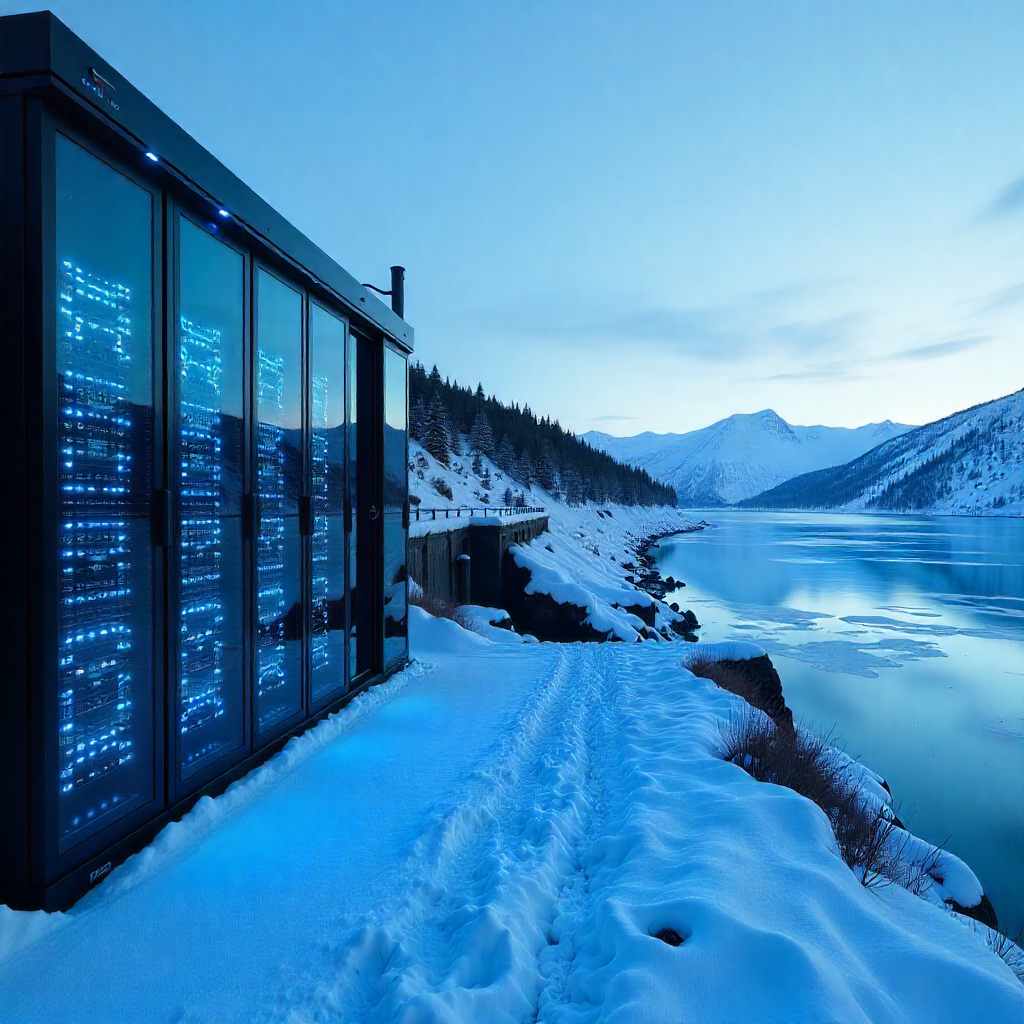
In the Nordics, organizations are facing rapid changes in how technology is deployed and used. Data volumes are increasing, systems are becoming more automated, and the need for secure and sustainable IT infrastructure is stronger than ever. Years ago, businesses were asked to choose: keep everything on premises or move everything to the cloud. Today, the most competitive enterprises are embracing a blended approach, the hybrid data-center footprint.
A hybrid model combines local infrastructure, professionally managed colocation facilities, and scalable cloud services. Instead of forcing a single solution to fit every workload, this approach allows each part of the business to operate where it performs best. Experts now widely consider it the most adaptable, cost-effective, and future-proof way to support critical systems throughout the Nordic region.
Why Hybrid Works for Nordic Businesses
One of the biggest drivers behind hybrid adoption is the strict requirement to keep certain types of data within national borders. Industries such as finance, healthcare, government services, and industrial control systems depend on local processing to meet regulations and ensure sensitive information never leaves Sweden or its neighboring countries. Hybrid infrastructure offers the flexibility to store and operate these systems close to home while still using cloud resources to support innovation, analytics, and rapid growth.
Performance is another factor pushing organizations toward hybrid deployments. Many modern services demand real-time decision-making, whether that’s factory robots adjusting to production changes, vehicles communicating with logistics systems, or sensors monitoring critical facilities. These workloads can’t rely solely on faraway cloud servers without risking delays. Keeping computing power nearby ensures operations remain fast, reliable, and responsive.
Cost and sustainability also play a major role. Nordic companies are increasingly committed to responsible energy consumption and emissions reduction. By placing systems inside Swedish colocation facilities, which benefit from clean hydropower and free cooling, organizations can reduce energy costs while improving environmental performance. Meanwhile, cloud solutions remain available for tasks that benefit from elasticity and global reach.
Finally, hybrid infrastructure enhances business continuity. When IT systems span multiple types of environments, an issue in one location doesn’t have to stop operations entirely. This resilience is especially important for organizations that depend on continuous uptime and availability.
What a Hybrid Footprint Looks Like
A typical hybrid footprint divides workloads between three primary layers. Highly sensitive and latency-dependent systems remain on premises or at an edge site within the organization’s own facilities. Larger capacity needs, such as backups, virtualization clusters, and disaster recovery; we place them in nearby Nordic colocation centers where cooling and power efficiency are maximized. Cloud platforms then support burst capacity, long-term data analytics, or services that benefit from global connectivity.
The goal isn’t to treat one environment as superior to the others, but to allow each to support what it does best. A strong fiber-based network connects all sites and ensures each workload can interact smoothly with the rest of the system. When done correctly, the user experience is seamless, despite the infrastructure spanning multiple locations.
How TYTEC Enables Hybrid Success
TYTEC AB plays a crucial role in helping Nordic organizations build and maintain hybrid data-center footprints. With technical teams scattered throughout Sweden and across Scandinavia, TYTEC supports everything from new deployments to ongoing operations.
On-site expertise is essential to keeping both edge locations and colocation racks functioning perfectly. TYTEC provides fast response for hardware installations, maintenance, replacements, audits, and troubleshooting. Having local engineers available reduces downtime, expedites changes, and eliminates the long delays associated with relying solely on remote support.
Equally important is the network that connects each part of the footprint. TYTEC specializes in validating and improving network performance with advanced fiber testing, latency measurements, and certification methods. Without a strong interconnection, hybrid infrastructure can’t operate effectively. TYTEC ensures that every link is reliable, clean, and ready for real-world workloads.
The company also offers planning and deployment services to help organizations transition to hybrid operations smoothly. Whether migrating current equipment into a colocation facility or integrating a new cloud strategy into an established environment, TYTEC helps build hybrid systems that are secure, scalable, and easy to manage over time.
Moving Toward a Hybrid Future
Building a hybrid data-center footprint isn’t just a technical decision, it’s a strategic one. Organizations need to carefully evaluate which workloads must remain local and which can be more flexible. Planning the network early prevents bottlenecks, while unified monitoring ensures that every part of the environment remains visible and secure. Aligning infrastructure decisions with sustainability goals also helps businesses meet growing expectations from both customers and regulators.
For many Nordic companies, hybrid is proving to be the ideal balance of control, performance, and efficiency. It supports innovation without compromising security and reduces cost without limiting growth. Most importantly, it provides the resilience and adaptability needed in a fast-changing world.
Ready to Take the Next Step?
Hybrid infrastructure is already becoming the standard for leading organizations across Sweden and the Nordic region. TYTEC AB is here to help design, deploy, and support hybrid environments that keep your operations strong, today and into the future.
To explore what a hybrid strategy can look like for your business, reach out to our specialists. We’ll help you build a footprint that meets your goals for performance, sustainability, and long-term reliability.
Contact TYTEC today.