

Building Future-Ready Digital Infrastructure in Sweden: Why the Nordics Are Leading the Next Data Center Era
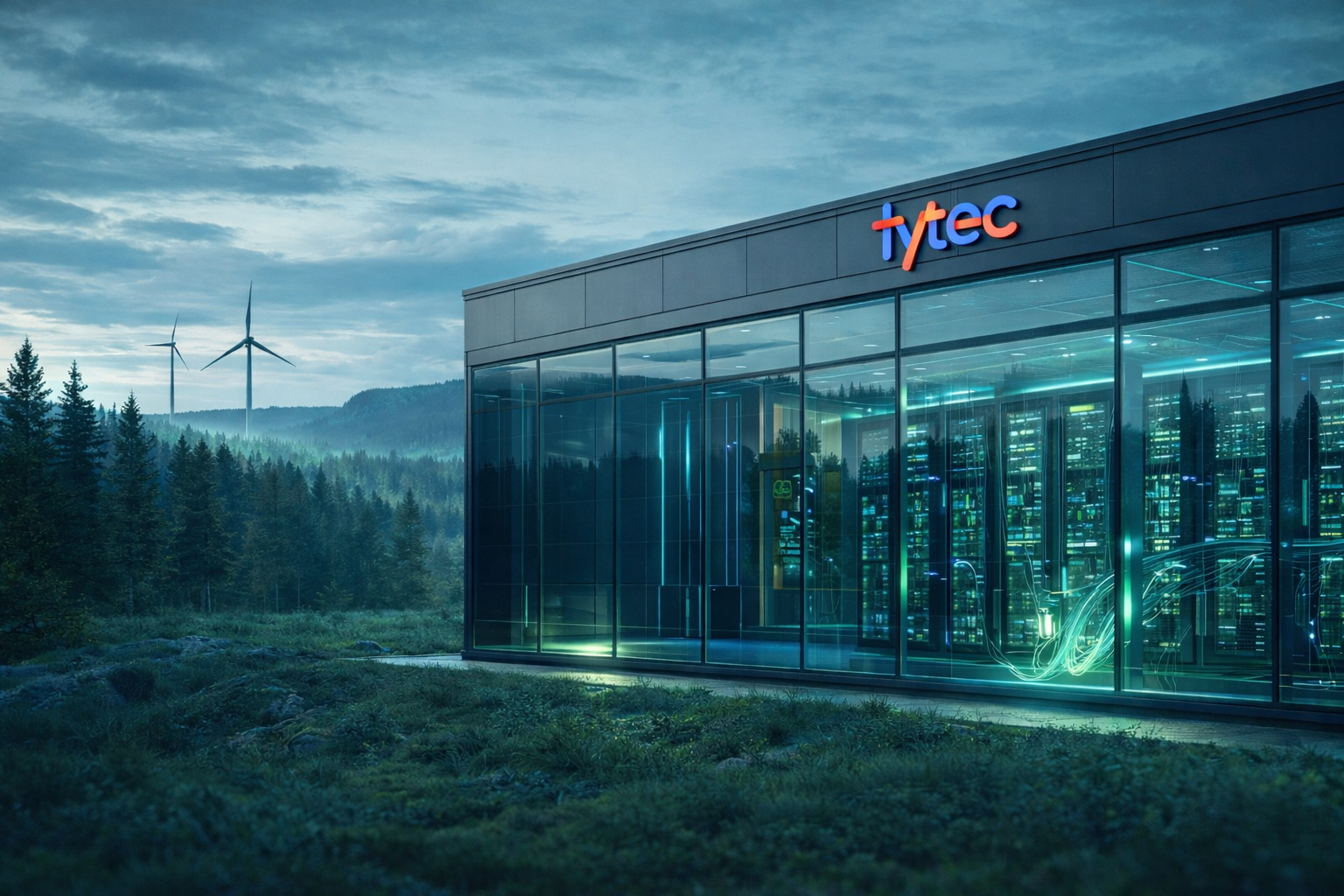
Digital infrastructure has become one of the most critical foundations of modern business. From cloud platforms and AI workloads to real-time data processing and high-speed connectivity, organizations increasingly depend on reliable, scalable, and secure IT environments. In Sweden and across Scandinavia, this dependency is driving a new generation of data center and network infrastructure, designed not only for performance, but for long-term resilience and sustainability.
As companies rethink where and how they run their systems, the Nordic region has emerged as a natural choice. Stable government and power grids, renewable energy, strong connectivity, and a mature technical ecosystem make Sweden an ideal location for modern data centers, hybrid infrastructure, and edge deployments. At the same time, the complexity of these environments has increased, placing greater importance on specialist expertise, on-site services, and precision testing.
AI, High-Density Compute, and the Changing Role of Data Centers
Artificial intelligence is reshaping infrastructure requirements at every level. AI training, analytics platforms, and data-intensive applications place sustained demands on power delivery, cooling systems, and network performance. Racks draw more power, generate more heat, and require far higher bandwidth than traditional enterprise systems.
Many older data center designs struggle to adapt to these conditions. Without careful planning, organizations risk rising energy costs, unstable performance, or limited scalability. In contrast, designers are increasingly designing modern Nordic data centers with high-density workloads in mind, combining efficient cooling strategies with access to low-carbon electricity.
Sweden’s climate and energy mix provide a clear advantage. Lower ambient temperatures reduce cooling overhead, while renewable power sources help organizations meet sustainability and ESG requirements without sacrificing performance. For businesses running AI or data-heavy workloads, infrastructure location has become a strategic decision, not just a technical one.
Hybrid IT Infrastructure as the New Normal
The shift toward hybrid IT infrastructure has now fully taken place. Rather than relying solely on public cloud or on-premise systems, organizations combine multiple environments to meet different needs. Latency-sensitive workloads may remain local, regulated data may stay within Swedish or EU borders, while scalable analytics and development environments run in the cloud.
This hybrid approach offers flexibility, but it also introduces complexity. Teams must carefully design networks to ensure low latency and high availability across locations. Security policies must remain consistent, and performance must be monitored end to end.
In Sweden and Scandinavia, hybrid infrastructure often spans corporate data centers, colocation facilities, and edge locations distributed across the region. Supporting these environments requires deep knowledge of networking, fiber infrastructure, and physical deployments, and the ability to respond quickly on site when issues arise.
Sustainability and Energy Efficiency in Nordic Data Centers
Sustainability is no longer optional for IT operations. Energy efficiency, reduced emissions, and transparent reporting are now central to infrastructure planning. In Sweden, where environmental responsibility is ingrained in both regulation and business culture, this focus is particularly strong.
Modern data center services increasingly include energy optimization, airflow analysis, and environmental monitoring. These measures help organizations reduce operational costs while meeting internal sustainability goals and external compliance requirements.
Nordic data centers benefit from a unique combination of renewable energy, efficient cooling conditions, and strong regulatory frameworks. When combined with proper design and ongoing technical support, this allows organizations to operate high-performance infrastructure with a significantly lower environmental footprint compared to many other regions.
The Continued Importance of On-Site Data Center Services
Despite advances in remote monitoring and automation, physical infrastructure still requires hands-on expertise. Hardware installation, fiber termination, network troubleshooting, and emergency response all depend on skilled technicians being present on site.
On-site data center services are particularly important in colocation environments and distributed infrastructure setups. Whether installing new equipment, performing audits, or responding to incidents, experienced local engineers ensure that work progresses quickly, safely, and according to best practices.
In Sweden, where uptime expectations are high and many organizations operate critical systems, reliable on-site support is a key part of operational resilience. Having access to trusted “hands and eyes” services reduces downtime, supports compliance, and allows internal IT teams to focus on strategic work rather than logistics.
Fiber Testing and Network Validation as a Performance Foundation
High-speed networks are the backbone of modern digital infrastructure, yet they’re often one of the least visible components. As data rates increase to 100G, 400G, and beyond, precise fiber testing and validation become essential.
Fiber optic testing helps ensure signal integrity, identify faults, and verify that installations meet performance requirements. Techniques such as OTDR testing, power measurement, and structured documentation allow organizations to detect problems early and avoid costly outages.
In Sweden’s dense data center and carrier network environment, proactive fiber testing is especially important. It supports reliable connectivity between facilities, improves long-term performance, and provides the documentation required for audits and regulatory compliance.
Edge Computing and Distributed Infrastructure in Scandinavia
Edge computing is gaining momentum as organizations seek to process data closer to its source. Industrial systems, IoT platforms, and latency-critical applications all benefit from local processing, particularly in geographically distributed environments like Scandinavia.
Edge infrastructure often operates outside traditional data centers, which increases the importance of proper installation, environmental control, and physical security. Consistency across deployments is crucial, as is the ability to service and maintain systems across multiple locations.
When combined with central data centers and cloud platforms, edge computing creates a flexible and responsive infrastructure model, one that supports both innovation and operational stability.
Security, Compliance, and Physical Infrastructure Protection
Security is a multilayered challenge that extends beyond software and firewalls. Physical access controls, secure cabling, controlled installations, and proper documentation all play a role in protecting sensitive systems and data.
In Sweden and the EU, regulations such as GDPR place strict requirements on data handling and infrastructure management. Meeting these requirements depends on both technical controls and disciplined operational processes.
Professional data center services help organizations maintain compliance throughout the infrastructure lifecycle, from installation and testing to upgrades and decommissioning. This holistic approach reduces risk and simplifies audits.
Preparing for Future Network and Data Center Growth
Infrastructure planning must account not only for current needs, but for future expansion. Increasing bandwidth demands, higher rack densities, and new application types all require scalable designs.
Preparing for 400G networking, modular power systems, and flexible cabling infrastructure allows organizations to grow without constant redesign. In fast-moving environments, this forward-looking approach reduces costs and improves long-term reliability.
Why Sweden and the Nordics Continue to Attract Infrastructure Investment
Sweden and the wider Nordic region offer a rare combination of advantages for digital infrastructure. Reliable energy, strong connectivity, political stability, and a highly skilled workforce create an ideal environment for mission-critical systems.
For organizations serving European and global markets, locating infrastructure in Scandinavia provides predictable performance, regulatory alignment, and strong sustainability credentials. These factors continue to drive growth in Nordic data center capacity and related services.
Infrastructure as a Strategic Business Asset
Modern infrastructure decisions shape how organizations innovate, scale, and manage risk. Treating data centers, networks, and on-site services as strategic assets, rather than operational afterthoughts, enables long-term success.
By combining high-quality infrastructure with expert support, organizations can build environments that are secure, efficient, and ready for future demands. With deep experience in data center services, fiber testing, and on-site technical support, TYTEC AB helps businesses across Sweden and Scandinavia turn infrastructure complexity into a competitive advantage.